

Bike Setup for Comfort: Essential Adjustments
Get your saddle, handlebars, and frame position just right so you can ride longer without pain or strain

Why Bike Setup Matters More Than You Think
A lot of people think discomfort is just part of cycling. It isn't. When your bike fits properly, you'll notice the difference immediately — your knees won't ache, your lower back won't complain, and you can actually enjoy riding without counting down the minutes until you get home.
The good news? You don't need an expensive bike mechanic or fancy equipment. Most adjustments take just a few minutes and a couple of basic tools. We're talking saddle height, handlebar reach, and stem position — the three adjustments that make the biggest difference.
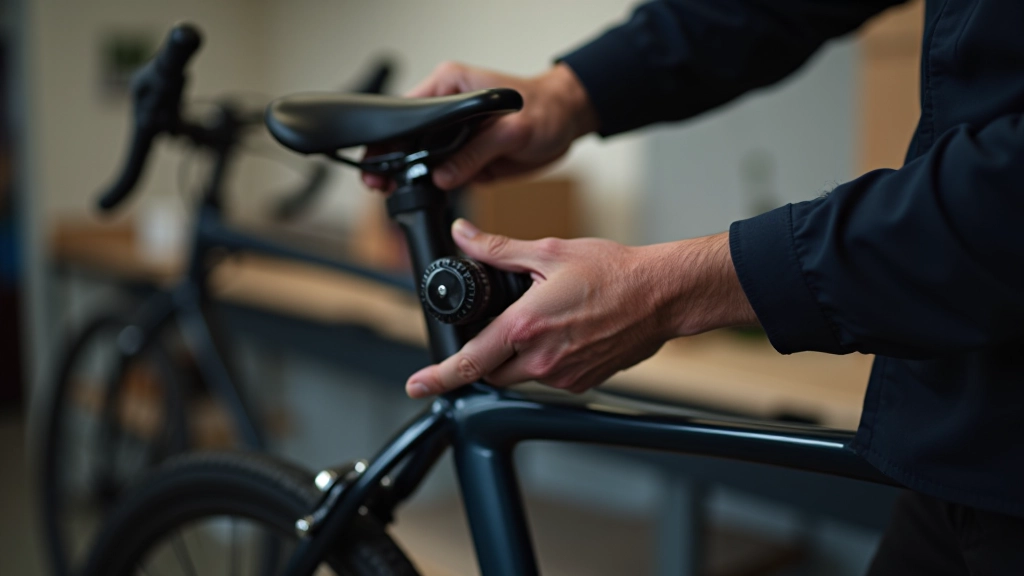
Getting Your Saddle Height Right
Your saddle height is probably the single most important adjustment. Get this wrong and your knees will pay the price — either from being pushed too hard on the way up, or from stretching awkwardly on the way down.
Here's the simple test: sit on your saddle with the pedal at its lowest point. Your leg should be almost straight — about 25-30 degrees of bend at the knee. Not locked out, but definitely not cramped. You'll know it's right because your leg will feel powerful and efficient, not strained.
The 30-Degree Rule
When your pedal is at the bottom of the stroke, your knee should have about 25-30 degrees of bend. This angle reduces strain on your joints and keeps your power delivery smooth across the entire pedal stroke.
If you're too low, you'll feel like you're pushing rather than pedaling — your knees will hurt after just a short ride. Too high? Your hips will rock side to side as you pedal, which wastes energy and puts stress on your lower back.

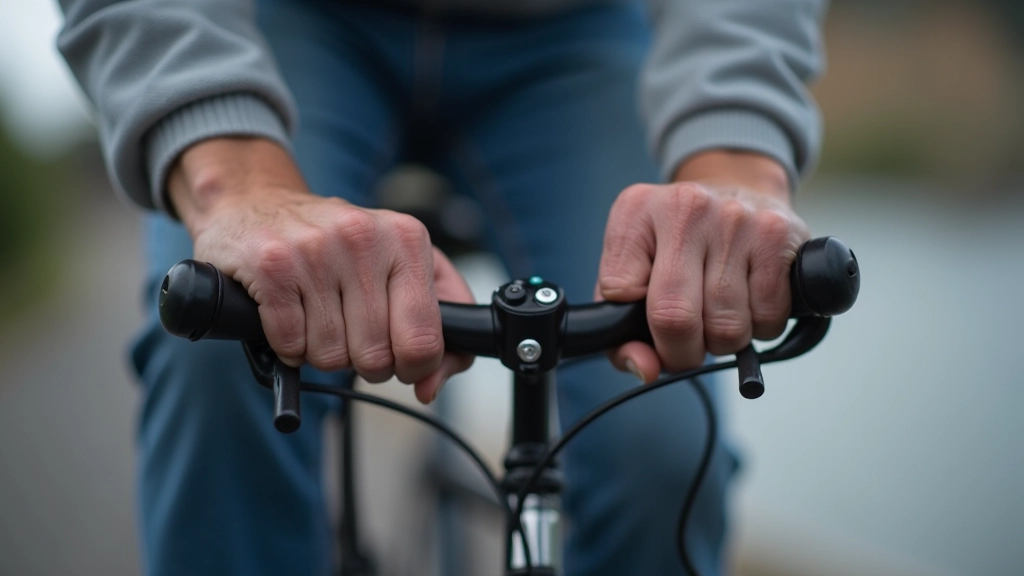


Stem Length and Angle: The Often-Forgotten Factor
Your stem is the piece that connects the handlebars to the fork. It controls both your reach to the bars and how high they sit. Most people don't think about it until something feels off — and by then, they've been riding uncomfortably for weeks.
A typical stem is 80-110mm long, but that's not necessarily what you need. Longer stems push your weight forward, which is great if you want a more aggressive position. Shorter stems bring everything closer, making for a more upright, comfortable ride. If you're building comfort as your priority — and you should be — a shorter stem often works better.
Pro tip: If you find yourself constantly sliding back on your saddle to get away from the bars, your stem is probably too long. That's your body telling you something isn't right.
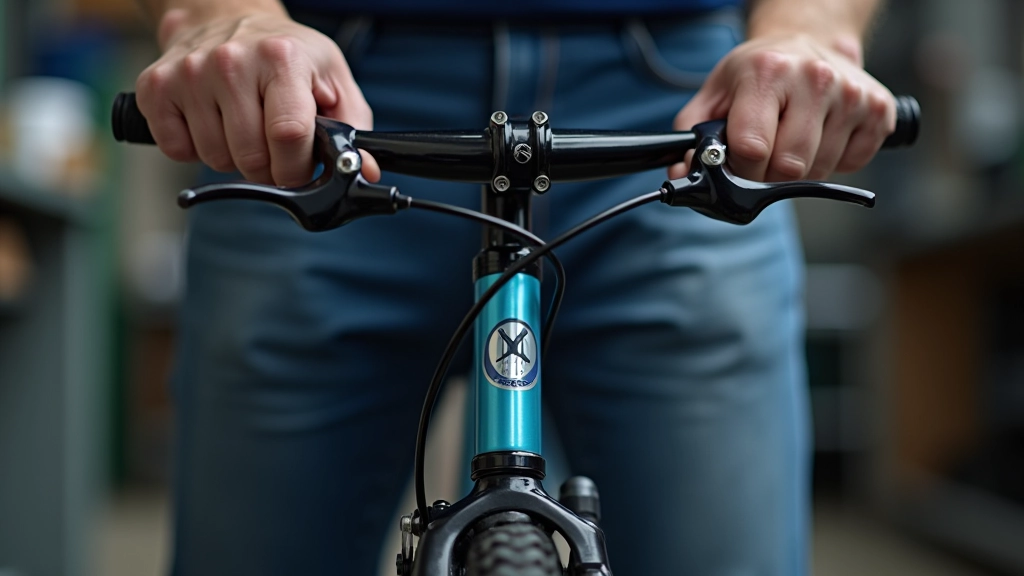
Getting Your Frame Size Right From the Start
Here's something people often overlook: if your frame is the wrong size to begin with, no amount of saddle and handlebar tweaking will fix it completely. Frame size matters because it determines your overall reach and riding position.
The classic test is the standover height. Stand over your bike with your feet flat on the ground — there should be 1-2 inches (2.5-5cm) of clearance between the top tube and your body. This gives you room to dismount safely without catching yourself on the frame.
If you're shopping for a new bike, this is worth spending time on. The right frame size means you won't be fighting against the geometry of the bike. You'll be working with it. And when that happens, comfort follows naturally.
Information Disclaimer
This article provides general guidance on bike setup for comfort. Individual needs vary based on body type, flexibility, riding style, and existing physical conditions. If you experience persistent pain while cycling, consult a healthcare professional or a qualified bike fitter who can assess your specific situation. Adjustments should be made gradually, and you're encouraged to test settings over several rides before making permanent changes.
Start With These Three Adjustments
You don't need to be a mechanic to set up your bike properly. Start with saddle height — that's where most of the comfort comes from. Then adjust your handlebar reach. Finally, think about your stem. These three changes alone will transform how your bike feels.
Make one adjustment at a time and give yourself a few rides to get used to it. Your body adapts quickly, but not instantly. What feels weird on day one often feels perfect by day three. Be patient with the process, and you'll find a setup that lets you ride for hours without pain.
Ready to explore comfortable routes?
Now that your bike is dialled in for comfort, check out our guides to the best cycling routes for retirees around Cork.
Browse All Routes